

5-year strategic plan to uplift recurring revenue by 80% through organic growth within four years
The issue
- Our clients was experiencing significant changes in the largest customer segment
- Leading to a material decline in client revenues
- EBITDA fell below business case targets
Solution
- Sized the UK medical consumables market for 10 segment, including private acute, NHS, care homes
- Created a vision for the organisation in collaboration with the client senior leadership team
- Shortlisted target segments to drive organic growth
- Developed win strategies and business model options for each segment
- Identified approaches to extend treatment and care pathways into a patient’s home
- Developed a 5-year financial plan including revenue projections and investments required

The results
- Identified multiple growth pathways to reach 80% revenue growth within four years
- Developed a balanced framework of win strategies to drive incremental revenue and EBITDA growth
- Generated a 5-year strategic plan, go-to-market launch and implementation roadmap to capture the identified incremental income



Find out how we can solve the key challenges facing your organisation


Salvaging a Stalled Data Strategy: From Technical Debt to Trusted Capability
Outcomes
Curzon preserved up to £3 million in Precision Pricing EBITDA benefits that were at risk due to the programme’s deteriorating trajectory. The Data team was rebuilt, both in capability and in credibility, through targeted hiring aligned to the target operating model, and a methodology reset that cleared the backlog and eliminated accumulated technical debt. By the end of the engagement, the Data function stood as an independent, trusted partner to the business: respected by senior leadership, capable of delivering innovative solutions at pace, and recognised by the CEO and Board as a genuine organisational asset.
Background
The Data transformation programme had been designed around an Agile delivery methodology, in principle the right approach for this kind of work, but in practice one that requires specific roles, capabilities, and organisational disciplines to function effectively. The business had none of these fully in place. The result was a rapidly growing backlog of unfinished work, mounting technical debt, and a team that was consistently failing to deliver on its commitments to the rest of the business.
The consequences extended well beyond the technical. Senior leaders had lost confidence in the Data team entirely, trust had eroded to the point where the team’s credibility within the organisation was genuinely at risk. With Precision Pricing benefits dependent on the Data programme delivering, the financial stakes were significant and growing.
Curzon Approach
Curzon’s first task was to accurately diagnose what had gone wrong — and to resist the temptation to simply accelerate a methodology that wasn’t working. Our assessment concluded that Agile, while theoretically appropriate, was not suited to the organisation’s current capabilities and ways of working. We recommended a deliberate shift to a traditional Waterfall approach — a pragmatic call that prioritised delivery over methodology orthodoxy, and one that immediately created the structure needed to start clearing the backlog.
With the delivery approach reset, Curzon turned to the backlog itself — analysing it systematically to identify quick wins that could be delivered rapidly and visibly, and defining which items needed to be prioritised to get the programme back on track. Alongside this, we worked to rebuild the team’s capability through targeted, structured hiring aligned to the Data Strategy target operating model.
Equally important was the reputational dimension. Curzon ensured that the Data team’s progress and achievements were made directly visible to senior leaders — giving the C-suite genuine line-of-sight into the recovery effort and rapidly rebuilding the trust and credibility that had been lost. By making the team accountable to leadership in a transparent and structured way, we turned visibility from a risk into an asset.
CASE STUDIES
Read some of the client problems we have solved!







From Fragmented Spend to £10m Saved: Rebuilding Procurement From the Ground Up
Outcomes
The engagement delivered £8 million in in-year cash savings against an original target of £13.5 million — with an exit run rate of £10 million per annum, providing a sustainable platform for ongoing benefit. A new procurement and supply chain operating model was fully installed and operational by the end of the programme, with all benefits fully traceable within business unit P&Ls — giving the organisation the transparency and accountability it had previously lacked.
Background
Despite the scale of its procurement spend, the business had no single, consolidated picture of what it was buying, from whom, or at what cost relative to the external market. Spend data was fragmented across business units, making it impossible to leverage the collective purchasing power of the organisation or to hold performance to account against any meaningful benchmark.
Previous procurement improvement efforts had already been factored into business unit budgets — meaning the bar for this engagement was set not at delivering savings in principle, but at delivering hard cash in the current financial year. The stretch target was unambiguous, and there was little room for the kind of multi-year programme that procurement transformations typically require.
Curzon Approach
Curzon began by creating a definitive spend cube — consolidating fragmented data into a single, authoritative picture of procurement spend across the business. This was the essential foundation: without it, there was no way to identify where the real opportunities lay or to build a credible case for action.
With a single set of numbers agreed, we conducted both a top-down and bottom-up analysis of spend at the detailed category and supplier level — identifying impactable spend and prioritising opportunities by size, speed, and deliverability. A structured implementation plan was developed and executed, with benefits closely monitored and recorded as they were realised to ensure traceability directly into business unit P&Ls.
In parallel, Curzon redesigned the procurement and supply chain organisation — bringing in the necessary skills and expertise to ensure the new operating model was not only installed but capable of sustaining the gains independently. The focus throughout was on in-year delivery: every workstream was sequenced and resourced to ensure that savings were cash-realisable within the financial year, not deferred to future periods.
CASE STUDIES
Read some of the client problems we have solved!

From Seven Silos to One Growth Vision: Uniting a Top Team Around a Route to £1 Billion
Outcomes
The engagement produced a clear, agreed plan to increase EBIT by a minimum of 2%, a new operating model aligned with the business’s growth ambitions, and new market sectors identified, agreed, and launched. The work was compelling enough to secure a second phase of engagement to drive through the business model changes identified during the first.
Background
Seven distinct business lines had developed with significant autonomy, creating a fragmented organisation that pulled in different directions rather than operating as a coherent whole. There was no unified growth strategy, no shared set of priorities, and no mechanism for identifying and developing the cross-business opportunities that a company of this scale and diversity was well placed to pursue.
The business model itself needed to change. Existing capabilities and market positions were not sufficient to close the gap between current revenues and the £1 billion target, and the organisation needed both a clear picture of where the growth would come from and the structural alignment to go after it together.
Curzon Approach
Curzon began with several weeks of research to build a grounded, evidence-based picture of the growth landscape before bringing the leadership community together to act on it. The centrepiece of the engagement was a two-day Venkat workshop involving approximately 50 Managing Directors and Finance Directors from across the business, designed to generate genuine alignment at the top of the organisation around a shared vision and a prioritised set of growth opportunities.
This was not a presentation exercise. The workshop was structured to surface real options, stress-test assumptions, and produce agreed decisions that the full leadership group owned and could act on. From it, a shortlist of growth opportunities was agreed, including a number with cross-business potential that no single business line could pursue independently.
Teams were tasked with developing plans for each opportunity, and a Business Model methodology was deployed to work through the structural and capability implications of the new markets being targeted. New markets were defined, selected, and readied for launch, and a redesigned organisation to support the new model was designed and put into implementation.
CASE STUDIES
Read some of the client problems we have solved!

Rationalising a Six-Site Footprint Into a Self-Funding, Customer-Ready Operation
Outcomes
The recommended footprint optimisation was accepted in full, a self-funding capital investment with a two-year payback period. The new operations and supply chain configuration met customers’ requirements for in-country sourcing, directly protecting and enabling future contract growth. Implementation was designed to minimise disruption through a people-centred approach, reducing HR-related risk and ensuring the retention of critical capabilities. Crucially, key stakeholders across all principal sites were engaged and aligned throughout, giving the new model genuine organisational ownership from day one.
Background
The business had grown organically over time, accumulating a complex web of intra-company and external supply chain relationships spread across multiple sites. The result was slow production cycle times, an unwieldy planning process, and a cost base that made it difficult to price competitively for either retention or new business.
The absence of a clear make-or-buy policy meant that costly in-house production was being maintained in areas where external sourcing would have been both cheaper and more flexible. And with customers beginning to impose requirements for in-country sourcing, the existing multi-continent footprint risked becoming not just inefficient, but a barrier to winning future contracts altogether.
Curzon Approach
Curzon applied a structured, fact-based diagnostic across the full breadth of the business — examining product, people, customers, regulation, operations, and supply chain through the Curzon framework. This comprehensive view of the organisation provided the solid foundation needed to develop a credible set of options rather than defaulting to an obvious but potentially suboptimal solution.
From the diagnostic, we developed an options-based operating model to serve as an anchor point for scenario evaluation across three primary lenses. Rather than presenting a recommendation and seeking sign-off, we worked interactively with key stakeholders from across the business — testing the practical feasibility of each scenario and building the ownership that would be essential for successful implementation.
Priority options were then subject to extensive assessment, including a detailed financial evaluation conducted in close cooperation with the client’s finance function, to identify the configuration that best balanced profitability with the ability to capture future market opportunities. The resulting recommendation was not only financially robust — it was structured to be self-funding, with a clear two-year payback that removed the need for external capital commitment.
CASE STUDIES
Read some of the client problems we have solved!

Turning Stock Into Cash: Delivering Sustainable Inventory Reduction Across a Complex Industrial Site
Outcomes
The engagement delivered clearly defined and quantified improvement potentials for each operational unit across the site, with benefit realisation targets and KPIs established to underpin accountability going forward. A new, differentiated planning methodology was implemented, enabling inventory levels for scheduled and unscheduled maintenance articles to be managed separately for the first time, directly reducing stock levels. The central stores function was strengthened to enable more proactive, effective management of common parts across the site. With the project ongoing at the time of writing, the expected fee payback for the client was 10 to 1 within twelve months.
Background
Inventory had been growing steadily, but the underlying causes had never been properly diagnosed. Across more than ten operational units on the site, material planners were each working to their own individual practices, with no unified process, no shared methodology, and no common set of KPIs to manage performance against. Accountability for inventory levels was effectively absent.
Compounding this was a lack of differentiation between planning for articles used in planned maintenance versus unplanned maintenance, a distinction that matters significantly for determining appropriate stock levels, and whose absence was contributing directly to inflated inventory across the site. The result was working capital tied up in stock that, in many cases, the business could not properly account for or justify.
Curzon Approach
Curzon began by establishing the size of the prize — quantifying the addressable improvement potential across the site using an 80/20 approach to focus effort where it would have the greatest impact. This gave the client a clear, evidence-based view of what was achievable and formed the basis of a structured implementation plan.
A unified maintenance spares planning process was developed and implemented across the site — replacing the patchwork of individual practices with a single, coherent methodology. Critically, this process differentiated between planned and unplanned maintenance articles, allowing stock levels to be set with genuine precision rather than as a blunt hedge against uncertainty.
To manage the risk of site-wide rollout, Curzon piloted the new processes and management approach in two units first — validating the methodology and refining it before scaling. KPIs were defined and implemented to give operational units the visibility and accountability they had previously lacked, and a centralised planning function was established for freely available articles used across multiple plants.
Underpinning all of this was a shift from reactive order processing to proactive inventory management — embedding a continuous improvement mindset that would sustain the gains beyond the life of the project itself.
CASE STUDIES
Read some of the client problems we have solved!

Cutting Through Digital Noise: Bringing Order and Prioritisation to a Fragmented Innovation Landscape
Outcomes
Curzon delivered a prioritised suite of digital productivity tools with high-level implementation plans — giving the organisation a clear, agreed view of what to pursue and in what sequence. Alignment was secured among key stakeholders on the need for a collaborative, cross-organisational approach to digital innovation — breaking down the silos that had previously prevented shared learning. Green light for next-phase planning was achieved, with preparation for a pilot of prioritised tools already underway by the end of the engagement.
Background
Digital innovation had taken root across the organisation’s construction programme — but it had done so in silos. Different teams and sites were independently developing and deploying digital productivity tools, with no shared learning, no common standards, and no consolidated view of what was actually in use across the estate. In some cases, different versions of the same solution were being built and deployed in parallel — wasting resource and creating unnecessary divergence.
The organisation recognised the need to capture and leverage productivity data more effectively, but lacked the framework to do so. Without a structured approach to assessing and prioritising the digital landscape, there was a real risk of continued fragmentation — and of missing the genuine productivity gains that a coordinated digital approach could unlock.
Curzon Approach
Curzon moved at pace — conducting a rapid but comprehensive assessment that covered the internal landscape, the external market, and the delivery partners operating across the programme. The work was structured around four interlocking activities.
First, a productivity management capability framework was developed to provide a consistent, organisation-wide lens through which digital solutions could be understood and compared. Second, stakeholder interviews were used to map the current-state usage of digital solutions across the business — creating, for the first time, a single consolidated picture of what was in use, where, and to what effect.
Third, a rapid assessment of the external landscape was conducted — including a digital maturity assessment of key delivery partners, external case studies of industry-leading solutions, and a market assessment of tools with potential for adoption. This external perspective ensured the organisation was benchmarking its digital ambition against the best available, not just against its own prior practice.
Finally, a standardised prioritisation methodology was applied — assessing each solution across four dimensions: value-add, deliverability, scalability, and alignment to industry direction. The result was a prioritised digital portfolio with clear implementation sequencing, grounded in objective criteria rather than internal advocacy or historical momentum.
CASE STUDIES
Read some of the client problems we have solved!

Data-Driven Planning, Transformative Results: A 10% OTIF Uplift Across a Complex Aerospace Supply Chain
Outcomes
The programme delivered a 10–15% average improvement in On-Time, In-Full (OTIF) performance across the product range. Slow-moving and obsolete inventory was reduced by 65%, and arrears reduced by more than 55% — with some individual lines seeing improvements exceeding 55%. Fifteen key customer agreements were brought into alignment with accurate, data-backed lead times for the first time, significantly reducing contract risk. A full-scale Sales & Operations Planning process was embedded across 350+ products and 3,000+ components, underpinned by a roadmap for further systems enhancements to sustain and extend the gains.
Background
The organisation faced significant structural barriers between its Platforms function and the rest of the business — creating competing demands on a supply chain and production facility that had no reliable way to arbitrate between them. Data was stored and analysed in multiple, disconnected ways across Sales, Planning, Operations, and Inventory — with no unified analytical approach and no single source of truth that everyone could plan from.
Without a coherent view of demand against capacity, production scheduling was reactive by necessity. Delays against customer promise were long and frequent, inventory was poorly controlled, and the business had no mechanism for making informed, forward-looking decisions about what to make, when, and in what sequence. The absence of a proper Sales & Operations Planning process was not just an operational inconvenience — it was a strategic vulnerability in a market where delivery reliability is a key competitive differentiator.
Curzon Approach
Curzon took a data-centric approach from the outset — recognising that the fragmented analytical landscape was the root cause of most of the operational problems, and that sustainable improvement required a single, integrated planning foundation rather than another layer of process on top of existing dysfunction.
A Minimum Viable Product model was designed and implemented first — proving the approach at smaller scale before committing to full rollout. This disciplined sequencing reduced implementation risk and built the internal confidence needed to scale. The product hierarchy structure was scrutinised and rationalised to form a credible basis for S&OP planning, complemented by value chain analysis across key product lines to identify the highest-impact improvement opportunities.
All demand signals were mapped against available capacity — creating reliable utilisation plans supported by historical Demonstrated Capacity data. Inventory consumption plans were developed, integrating future buying patterns and opportunities for strategic procurement across 3,000+ components at an aggregated value of £4.7 million. Seamless S&OP review cycles were established, with detailed objectives and long-term performance measures giving the organisation the ongoing discipline to sustain the gains.
The result was a business that moved from reactive operations managed by instinct to proactive planning managed by data — with the visibility, controls, and processes needed to serve its customers reliably and its contracts confidently.
CASE STUDIES
Read some of the client problems we have solved!

Award-Winning Procurement Transformation Programme
Background & Challenge
After a challenging year where the Covid-19 pandemic impacted activities and financials, our client launched an ambitious strategic initiative focused on becoming more efficient, concentrating on growth and delivering sustainable value for consumers and doctors.
The pandemic exposed an over-reliance on a ‘single’ income source. All elective activity (e.g. joint replacements, cataracts), the primary income source, was halted overnight, but a high fixed cost base remained. As a response, Curzon Consulting was engaged to design and deliver a Procurement Transformation Programme.
Overall Approach
Over nine months, we took a pragmatic, agile and “together” approach to accelerate benefit delivery, particularly in high spend / high complex clinical spend categories
- Conducted a full review and defined a new procurement organisation aimed at maximising value to the business
- Conducted a review of the external spending and identified cost savings opportunities within complex medical categories
- Implemented a full strategic programme that delivered multi-million £ cost savings to the business

Our Solution
1 FULL PROCUREMENT ORGANISATION REVIEW
We assessed the existing procurement organisation against eight dimensions and highlighted several data-driven insights
- Quantitatively and qualitatively assessed the procurement team, conducted time analysis, salary benchmark & reviewed performance
- Business partnering and perceived value: Interviewed key business stakeholders across all divisions
- Assessed procurement influence across all spending areas
- Defined and costed new (to-be) procurement organisation
Our Results
- A complete procurement maturity assessment highlighting strengths and weaknesses of the current procurement organisation
- A new procurement organisation was designed, profiled and costed.
- A procurement organisation designed to maximise value to the business and stakeholders
2 FULL EXTERNAL EXPENDITURE OPPORTUNITY ASSESSMENT
We conducted a full opportunity assessment on Ramsay’s external expenditure to define adequate sourcing strategies and identify cost savings opportunities
-
- Cleansed, categorised and analysed spend data; Providing full spend transparency.
- Conducted category deep dive for each key medical category, assessed current category management and supplier management
- Defined adequate sourcing strategy, identified opportunities and sourcing levers
- Identified and quantified savings potential via internal and external benchmarking
Our Results
- Category strategy for all key medical categories
- Multi-million cost saving opportunities identified
- Prioritised sourcing plan with saving targets by spend categories
- High level 3-year business plan
3 THE IMPLEMENTATION
We implemented procurement transformation and a cost reduction program
- Our methodology was specifically adapted to address demand-side cost optimisation levers. Whilst we addressed a range of spend categories and redesigned the PO, we delivered sizeable benefits in difficult clinical areas such as Orthopaedics.
- A key benefit in orthopaedics came from ensuring the surgeon selected the appropriate implant system (metal or ceramic) to match the patient’s profile (e.g. age, gender).
- Our analysis showed surgeons implanted costly ceramic hip systems in a high percentage of older NHS patients. With fixed NHS reimbursement every incremental switch impacted the bottom line.
- Our insights directly influenced the Orthopaedic Steering Group’s new policy which required surgeons to utilise lower-cost metal hip systems in older NHS patients.
- Fundamentally, a key part of the relationship was to ensure recommendations on cost improvements would not compromise clinical outcomes and patient satisfaction.
Our Results
- Delivered £multi-millions in incremental savings and a new procurement organisation
- Engaged with all key medical stakeholders and instilled a cost-consciousness culture
- Ramsay Health Care UK will benefit from the savings over multiple years
“Curzon helped us obtain the confidence and operational ‘can-do’ to drive incremental savings sooner than we could have expected, and then to push on to best practice performance.
Their skill was in balancing pace of change and the results imperative with the need to take the organisation with them on the journey.
A key achievement was building the necessary collaboration between the many functions that needed to act together to drive benefits in complex clinical spend categories.
Curzon’s strong analytical expertise, and ability help us to take a critical view on the “art of the possible” and bring the team along on the journey to demonstrate benefits delivery was a critical success factor.
The result was a tangible and ongoing commercial win, and a new Procurement Organisation to drive cost leadership, profitability and sustainability going forward”
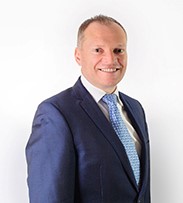
Peter Allen
Chief Financial Officer
Ramsay Health Care UK
Contact our Procurement service line lead,Stephane Boroncelli, to find out more


Driving market focused resource allocation decisions
The issue
- A business unit of a global speciality chemicals producer supplying catalysts for industrial applications to multiple markets across all geographies
- Capacity constrained and being challenged to improve overall business profitability
- Shared manufacturing assets serving multiple market-facing business units
- Upcoming regulatory changes required product recipe changes with implications on the existing production process
- Limited attempts to address supply constraints in an effective manner, with over-stated demand and poor sales & operations planning disciplines
Solution
- Establish & exploit true production capacity of existing assets:
- Identification and elimination of bottlenecks in supply chain & productions
- Drive for OEE in existing plant (batch size & sequencing, down time & maintenance etc.)
- Identify options to reallocate capacity use to more profitable customers
- Identification of customers & volumes yielding below average contribution allowing for either renegotiation or re-allocation
- Establish cross-market segment view of long-term demand
- Markets & functions created fact base & presented in facilitated cross functional sessions to build cross markets view & build priorities for overall business
- Revamped S&OP including product profitability of prospect pipeline to ensure capacity is utilised for highest financial returns

The results
- CAPEX spend avoidance of £18m with extrapolated implications to the whole division of c. £100m
- Improved joint-management understanding on the levers of capacity & profitability, supported by a cross-market decision making governance process to make data based trade-offs
- Increased production capacity through de-bottlenecking (e.g. batch sequence & maintenance optimisation) with potential resulting contribution uplift of ~ £ 10m p.a.
- 235 tonnes of unlocked capacity through selective elimination of low margin product variants and Sales re-alignment
An award-winning team