


Defining And Implementing Best Practice Vision For Yield Management At Travel Company
Outcomes
A conservative four-year business case projected cumulative gross margin improvements of over 30%, a 17% increase in spend per passenger, and a 4% uplift in aircraft utilisation — with a 15% gross margin uplift already signed off for the Summer season. The client described the work as “highly thought-provoking.”
Background
With market share and profitability under pressure, the client recognised that Yield Management — the discipline of maximising revenue through smarter pricing and capacity decisions — needed a fundamental step change. Previous improvement attempts had failed to gain traction. Trust in the existing “black-box” pricing system had eroded, leading to inconsistent practices across the business and commercial outcomes that fell well short of potential.
The root causes ran deep: teams had a limited understanding of the commercial impact of their pricing decisions, there was little operational control over the process, and capability gaps existed at every level of the organisation. The potential of digital technologies was poorly understood and largely untapped, with knowledge siloed rather than shared across functions.
Curzon Approach
Curzon took a structured, collaborative approach — working alongside the client rather than delivering from the outside. We developed an analytical model to explore what a best-in-class Yield Management operating model could look like, and jointly created a maturity model that gave the team a shared language and a clear sense of ambition for where they needed to get to.
Through a series of facilitated workshops, we stress-tested the strengths and weaknesses of the existing operating model across process, people, and technology dimensions. This co-creation approach ensured the resulting vision had genuine ownership from the client team.
We then translated that vision into a practical blueprint: a structured roadmap, programme plan, and governance framework. Curzon actively supported the programme launch — working with the Programme Director and PMO to establish effective Programme Boards, a robust benefits case, and cross-functional engagement across the business.
CASE STUDIES
Read some of the client problems we have solved!







Maximizing The Profit From A Traditional R&D Research Facility At Technology Research Company
Outcomes
A strategic growth programme identified £6.2m in additional operating profit potential and a clear path to achieving the client’s 20% Return on Sales target — with recommendations to restructure the operating model, unlock underperforming R&D capacity, and separate the product and R&D businesses for sharper commercial focus.
Background
Under previous ownership, the business had been run as an R&D cost centre, a model ill-suited to the commercial ambitions of its new owners. Revenue and profit had stagnated, and the business was falling behind competitors who had grown significantly in the same period.
The product division lacked the delivery experience and processes needed to bring new products to market efficiently. Investment decisions were driven by technological interest rather than market demand, and there was no coherent go-to-market strategy. Meanwhile, the R&D business was chronically underutilised; billable resource utilisation sat at around 50% — compounded by weak key account management and fragmented sales activity across the organisation.
Curzon Approach
Curzon began with a thorough diagnostic phase, examining resourcing, sales strategy, investment processes, and decision-making authority across the business. This gave us an evidence-based view of where performance was being lost and where growth was being left on the table.
We stress-tested existing assumptions about the business’s opportunities, combining internal findings with extensive market research to identify credible growth vectors aligned to the client’s existing capabilities — across a range of defence and technology market verticals.
On the operational side, we mapped value streams across the business to identify where the operating model could be simplified and made more effective. We developed a full business case quantifying the impact of different growth levers, giving leadership a clear picture of the prize available.
Our recommendations included separating the R&D and product businesses to allow each to operate with the right commercial model, right-sizing support functions, and introducing the account management and sales discipline needed to drive sustainable revenue growth.
CASE STUDIES
Read some of the client problems we have solved!

Driving Market Focused Resource Allocation Decisions Across Functions
Outcomes
- CAPEX spend avoidance of £18m with extrapolated implications to the whole division of c.£100m
- Improved join-management understanding of the levers of capacity and profitability, supported by a cross-market decision making governance process to make data-based trade-offs
- Increased production capacity through de-bottlenecking with resulting potential contribution uplift of £10m p/a
- 235 tonnes of unlocked capacity through selective elimination of low margin product variants and sales realignment
Background
- A division of a leading speciality chemicals company offering high-performance products and technologies to the chemical industry
- Perception that demand was constrained by supply capacity
- Curzon was asked to help the business to identify and agree the priorities for increased top and bottom-line performance
- Highly siloed organisation with poor relationships between Commercial, Supply Chain, Operations and R&D. Little trust all round
- A ‘who shouts loudest’ approach to dealing with supply constraints
- Lacking and/or no visibility of key business information; market potential, product costing, R&D plans, regulatory landscape etc.
- Unable to drive a management process to align and move forward
Curzon Approach
- Alignment of the functional leaders around a structured approach to reach an informed decision on priorities
- Collation, research, analysis and presentation of the relevant market, customer, production, product development, regulatory and financial information needed for a meaningful management discussion
- Facilitated sessions to review the available information, share insights and question assumptions
- Full cross-functional participation in a management event to arrive at an agreed business decision based on the facts
- Development of a cross-business implementation plan and an appropriate governance process to maintain a joined-up approach
- Codifying the methodology for re-use with other businesses
CASE STUDIES
Read some of the client problems we have solved!
Congratulations to Our 2026 MCA Awards finalists
Curzon Consulting Shortlisted in Three Categories at the 2026 MCA Awards
We’re delighted to announce that all three of the projects Curzon Consulting submitted for the 2026 MCA Awards have been shortlisted — a 100% submission success rate, and recognition we’re incredibly proud of.
Organised by the Management Consultancies Association (MCA), the MCA Awards celebrate excellence and the transformative impact that consulting firms have delivered over the past year. Being shortlisted across three separate categories reflects the quality of our work, the strength of our client partnerships, and the talent and dedication of the teams behind every project.
This year’s shortlisted projects are:
🏆 Commercial Impact — Curzon Consulting with Convatec
🏆 International — Curzon Consulting with Sydney Airport
🏆 People & Leadership — Curzon Consulting with Rolls-Royce SMR
2026 also marks Curzon Consulting’s eleventh consecutive year as a finalist at the MCA Awards — a milestone that speaks to our long-standing commitment to delivering work that genuinely makes a difference for our clients.
In the sections below, we share more about each shortlisted project, the challenges our clients faced, and the impact delivered.
Congratulations to all of this year’s finalists.
View the full 2026 shortlist at mca.org.uk/mca-awards/finalists-2026
Commercial Impact with Convatec, Accelerating procurement transformation, delivering rapid operational improvements while positioning procurement as a strategic partner to the business.
Read More
We partnered with Convatec, a global medical products company, to unlock procurement savings and efficiency gains as part of its strategic business plan. With challenging targets to optimise external expenditure in a short timeframe, the project faced tight deadlines, decentralised decision-making, and limited internal resources. Procurement needed a fresh approach to deliver rapid, tangible impact.
Deploying an agile, data-driven strategy, running spend analysis, opportunity assessment, and sourcing execution in parallel. By leveraging direct negotiations, demand management, specification optimisation, and strategic sourcing, the team addressed over 15 indirect spend categories, including CapEx, recruitment, and employee transportation. Within 4 months only, savings far exceeded targets, delivering substantial financial benefits within the financial year.
Several key challenges had to be tackled head-on. Savings had to be realised within the current fiscal year, leaving no room for delays. Meanwhile, procurement teams were stretched thin across multiple strategic priorities. Adding to the complexity, decision-making was fragmented across business units and geographies, slowing execution. Overcoming these hurdles required a focused, results-driven approach to procurement transformation.
We conducted an Opportunity Assessment of external expenditure, engaged stakeholders, and rapidly implemented savings initiatives—balancing quick wins with long-term procurement strategies.
Our approach prioritised speed, execution, and impact. Savings opportunities were actioned immediately, avoiding delays from lengthy assessments. Securing stakeholder buy-in upfront ensured smooth execution and compliance. No category was off-limits—every spend area was rigorously challenged to unlock efficiencies. Beyond cost savings, procurement was positioned as a value driver, integrating sustainability and process optimisation for long-term benefits.This strategy covered approximately several hundreds of millions in external expenditure across thousands of suppliers, ensuring a fast yet sustainable transformation.
The project delivered significant cost savings across multiple categories. CapEx negotiations achieved ~25% cost reductions on a major manufacturing expansion project, despite supplier pre-selection. In the Dominican Republic, employee transportation costs dropped 22% through demand management, supplier market review, and specification optimisation. Meanwhile, UK recruitment expenses fell by 16% through direct MSP negotiations, agency consolidation, and tighter demand control. These targeted initiatives generated substantial financial benefits while reinforcing procurement’s role as a strategic business driver.
The project exceeded all initial objectives, delivering year-on-year cost savings well beyond targets. Strong in-year financial benefits surpassed expectations, creating immediate impact. Beyond financial gains, procurement was strengthened as a key strategic enabler, driving long-term value creation within the business.
Above and beyond savings, the project successfully delivered numerous qualitative benefits, including promoting sustainable behaviours by offering free coffee to all employees who brought in their own reusable cups, reduced the use of single-use items by 80% and food waste.
We positioned procurement as key partner to the business, opening the door to procurement transformation and increased mandate.International, with Sydney Airport – A procurement transformation at Sydney Airport redesigned the operating model, strengthened commercial capability, and improved supplier performance across key operational services. The programme embedded a culture of commercial discipline and collaboration, delivering sustainable operational improvements and long-term organisational capability.
Read More
Sydney Airport is Australia’s premier international gateway and one of the country’s most strategically important pieces of infrastructure, handling a significant proportion of the nation’s passenger traffic. Following a change in ownership, the airport’s leadership sought to improve performance and ensure that its commercial and procurement practices aligned with the organisation’s strategic pillars of efficiency, service and innovation.
Airport operations are highly complex. Hundreds of suppliers support critical services across terminals, airside operations, facilities maintenance, passenger services and security systems. Many of these services must operate continuously, and any changes must be carefully managed to ensure that safety and passenger experience are never compromised. Over time, supplier arrangements and procurement practices had evolved with different operational teams managing suppliers independently. Opportunities with the supply-chain were being missed and contracts often extended rather than strategically reviewed.
To address this, the airport partnered with Curzon Consulting to deliver a comprehensive procurement transformation programme. The objective was not simply to renegotiate contracts, but to strengthen the organisation’s overall commercial capability and embed procurement more deeply into operational decision-making. The programme focused on improving spend transparency, strengthening commercial performance, and equipping internal teams with the tools and skills required to manage suppliers more strategically.
The project began with a rapid diagnostic to understand how procurement activities were being delivered and where opportunities existed to improve efficiency and value. This involved analysing contracts, reviewing service specifications and working closely with operational teams to understand how services were delivered on the ground. From this assessment, a structured transformation programme was designed, combining commercial analysis, supplier engagement, operational improvement and negotiation and re-contracting.
Delivery focused on several key workstreams. These included building visibility of supplier performance and cost structures, upskilling staff and stakeholders, introducing structured sourcing and negotiation approaches, and redesigning elements of the procurement operating model to improve coordination across the organisation. A strong emphasis was placed on collaboration with both internal stakeholders and suppliers, recognising that sustainable improvements require shared commitment rather than purely transactional relationships.
A core element of the programme was capability development. Consultants worked with airport staff as ‘one team’, providing practical training and hands-on coaching in areas such as supplier management, commercial negotiation and contract governance. This ensured that the airport could continue to build on the programme’s momentum.
The transformation delivered cost-improvements across multiple operational areas, without sacrifice of standards. The work often focused on redesigning operations or improving the way services were specified and managed, enabling efficiency while maintaining service standards.
The programme also helped shift the organisational culture around procurement and supplier management. Procurement became more closely integrated into decision-making processes, and relationships with suppliers evolved towards longer-term, strategic partnerships.
By the end of the programme, Sydney Airport had strengthened its procurement capability, improved business performance and embedded a structured, high-performing approach to managing suppliers. The engagement demonstrated how procurement can play a strategic role in improving efficiency and resilience within complex infrastructure environments, while ensuring continued delivery of safe, reliable and high-quality services for passengers and airlines.
People & Leadership, with Rolls-Royce SMR – The RR-SMR partnership allowed Curzon to work alongside leadership to co-design pragmatic solutions, build internal capability, and mobilise high-performing teams. This resulted in strengthened internal and external stakeholder confidence, increased organisational maturity, and readiness to deliver multiple multi-billion-pound nuclear programmes.
Read More
Curzon Consulting partnered with Rolls-Royce SMR (RR-SMR) during a critical phase in the organisation’s development, supporting its transition from an R&D programme into a commercial business capable of mobilising and delivering multiple early-stage nuclear programmes.
Curzon worked closely with Rolls-Royce SMR’s PMO to stabilise reporting and improve organisational visibility and control. Reporting capability was in-sourced, improving transparency, timeliness, and confidence, while simultaneously building sustainable internal capability within the PMO. This enables RR-SMR to engage its partners with greater confidence and grow a strong, trust-based relationship.
Building on this foundation, Curzon supported the development of the PMO into a more cohesive and scalable function capable of supporting a rapidly expanding organisation. Working collaboratively with the business, Curzon helped define a PMO vision, purpose, and management values, alongside a transformation roadmap informed by IPA guidance, P3M3, PMBoK, and lessons learnt from comparable major programme environments.
As customer contracts reached the horizon, Curzon supported leadership through the development of the Programme Directorate – a new executive-led function overseeing delivery of a portfolio of customer and R&D projects, PMO, and industrialisation. Working alongside leadership and HR teams, Curzon helped design, implement and track a successful phased organisational transition that maintained operational continuity and engagement during a period of significant growth and change.
As RR-SMR’s first deployments in the UK and Europe progressed through the bid phase, Curzon worked with the Project Directors and their leadership teams to help stand up scalable project delivery organisations capable of running major early stage nuclear contracts. This included designing organisational structures, governance frameworks, role definitions, interface plans, and integrated ways of working across functions. Leadership alignment and team effectiveness workshops helped establish shared behaviours, and delivery principles across newly formed teams.
A major focus was helping RR-SMR understand what ‘delivery-ready’ meant for the customer projects. Curzon worked closely with the business to develop practical frameworks and scoring systems aligned to industry best practice and the realities of major project delivery. The engagement contributed to the successful mobilisation and growth of two customer project teams from only a handful of individuals to almost 200 people, with both contracts in place and a ‘delivery-ready’ organisation established.

CONTACT US TO FIND OUT HOW WE CAN HELP

Backing the next generation of purpose-driven entrepreneurs
Curzon & ARU Partnership
Curzon is proud to support Anglia Ruskin University’s Enterprise Impact Fund — investing in student and graduate ventures that combine commercial innovation with meaningful social impact.
About the Initiative
The Enterprise Impact Fund (EIF) builds on the success of ARU’s Social Value Fund, supporting student founders who demonstrate entrepreneurial talent, social purpose, and the ambition to create lasting change. Seven shortlisted finalists — emerging from the #ThinkBigARU Pitching Competition — will compete for investment at a Dragon’s Den-style pitch final in Cambridge on Thursday, judged by a panel that includes Curzon’s own Doug Badham and Chetan Trivedi.
Meet the Judges
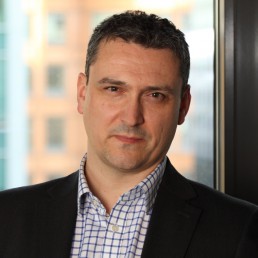
Doug Badham
With over 20 years of international consulting experience across the Financial Services, and Technology industries, Doug leads the Curzon Consulting Financial Services practice, supporting banking, insurance and wealth management clients.
Doug’s expertise is primarily in business strategy development, sales and distribution optimisation, customer experience, and operating model.
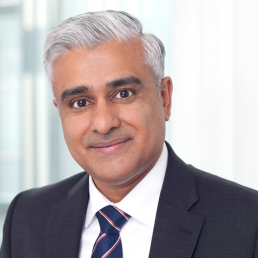
Chetan Trivedi
Chetan has over 20 years’ international consulting experience. For the past 15 years he has supported Healthcare payers, providers and medical devices companies on strategy, operational improvement and digital transformation engagements across the UK, wider Europe, Middle East, US, India and Canada.
What the fund offers
Financial Backing
Financial investment awarded to the venture best positioned to make a real-world difference.
Expert Mentorship
All finalists receive mentoring, with the winner gaining 12 months of targeted support.
Pitch Experience
A Dragon's Den-style final at ARU Cambridge, presenting to an experienced judging panel.
Judging Criteria
01. Strong Market understanding
02. A viable business model
03. A realistic execution plan
04. Clear potential for social impact
Programme Timeline
#ThinkBigARU competition
Student and graduate ventures pitch for a place in the EIF shortlist.
Shortlist announced
Six to eight finalists selected on entrepreneurial talent, purpose, and social impact potential.
Dragon’s Den final — May 2026
Finalists present to Doug Badham, Chetan Trivedi, and fellow judges at ARU Cambridge. The £5,000 investment is awarded.
Ongoing support
All finalists receive continued mentoring. Winner gains 12 months of dedicated post-final support.
Voices from the Programme
Curzon Consulting exists to help businesses solve complex problems in bold, innovative ways that result in enduring commercial, customer, and social value. That’s why we’re thrilled to be sponsoring this year’s Enterprise Impact Fund at ARU. We look forward to engaging with each finalist’s business ideas and being inspired by the impacts and benefits they aim to realise, and to providing some impetus to these ventures’ future success.
Doug Badham, Partner: Financial Services, Curzon Consulting
At ARU, we are committed to nurturing enterprise that creates both commercial value and social impact. This year, we’ve shortlisted an impressive group of ideas — and I’m excited to see the difference they will go on to make.”
Prof Gary Packham, Pro Vice Chancellor of Student Enterprise and Entrepreneurship, ARU
“Initiatives like the Enterprise Impact Fund create a valuable space to share ideas, challenge thinking and gain insight that helps strengthen new ventures.”
Martin Wing, Chief Operating Officer, X-Forces Enterprise
CONTACT US TO FIND OUT HOW WE CAN HELP

Unlocking $30m+ in Annual Value Through Operational Due Diligence and Performance Transformation
Outcomes
-
Identified >$30m p.a. P&L improvement opportunity, underpinned by robust operational and commercial analysis
-
Converted diagnostic insight into a clear, prioritised value creation plan focused on asset utilisation, service performance and sales effectiveness
-
Designed a scalable implementation model, including in-country capability ‘hothouses’ to accelerate delivery and embed change
-
Delivered a phased benefits realisation roadmap, linking operational initiatives directly to cash flow impact
Background
Despite its strong market position as a first-tier oilfield services provider, the business was underperforming relative to its potential.
-
Asset capacity was constrained by low utilisation of critical equipment
-
Operational execution gaps were resulting in service failures, contract penalties and lost work
-
Inconsistent job preparation and planning were driving avoidable operational risk
-
Sales effectiveness was limited, with insufficient customer engagement and capability gaps across the commercial function
-
Functional silos were slowing response times and restricting the organisation’s ability to capitalise on market opportunities
Collectively, these factors were suppressing earnings, eroding competitiveness and limiting the company’s ability to scale.
Curzon Approach
Curzon led a focused operational due diligence to quantify earnings upside and define a clear, executable value creation pathway.
-
Sized the earnings opportunity through an initial top-down assessment to establish the scale of potential value and prioritise analysis
-
Conducted targeted operational deep-dives across job planning, asset maintenance, service delivery and sales execution to identify structural performance gaps
-
Evaluated management discipline and performance systems to understand barriers to consistency, utilisation and growth
-
Built a robust bottom-up value case, grounded in operational evidence and market dynamics
-
Designed a scalable implementation framework to optimise asset utilisation, strengthen service performance and embed management best practice across geographies
-
Developed a phased financial model linking operational initiatives to P&L and cash flow impact
CASE STUDIES
Read some of the client problems we have solved!
UK’s Leading Management Consultants 2026
FT UK’s Leading Management Consultants 2026
We are delighted to have been recognised in the 9th annual edition of the Financial Times UK’s Leading Management Consultants 2026 Special Report — and once again ranked in the Top 20.
Recommended across 11 categories, the annual rating — compiled with data company Statista — is based on endorsements by clients and peers.
For an independent consultancy, a Top 20 overall ranking alongside recognition across both sector expertise and consulting services reflects our continued commitment to clients across the UK.
Consulting companies are awarded Bronze (recommended), Silver (frequently recommended) or Gold (very frequently recommended).
Sectoral Expertise
- Construction & Infrastructure – Bronze
- Energy, Utilities & Environment – Bronze
- Financial Institutions & Services – Bronze
- Healthcare & Life Sciences – Silver
- Public & Social Sector – Bronze
- Travel, Transportation & Logistics – Bronze
Consulting Services
- Digital Transformation – Bronze
- Innovation, Growth & New Business Models – Bronze
- Operations & Supply Chain – Silver
- Strategy – Bronze
- Sustainability – Bronze
Managing Partner Andrew Morgan said
Being ranked in the Top 20 and recognised across 11 categories in the FT’s UK Leading Management Consultants report is something the whole firm can be proud of. As an independent consultancy, it’s a genuine reflection of the quality of relationships our teams build with clients every day, and the dedication they bring to every engagement. I’m enormously grateful to everyone across the business — their talent, care, and hard work are what make recognition like this possible.
CONTACT US TO FIND OUT HOW WE CAN HELP

GOOD STUFF CAN HAPPEN — WHEN WE LET IT
GOOD STUFF CAN HAPPEN — WHEN WE LET IT
Good stuff is happening — even on the toughest issues. We just don’t always pause to notice it.
Violence Against Women and Girls (VAWG) is one of those challenges that can feel overwhelming. Complex. Entrenched. Too hard to shift. Too often, the response focuses on managing harm rather than preventing it.
But in Hertfordshire (and Bedfordshire), a different approach is proving that progress is possible.
The challenge
Traditional responses tend to separate victim support from perpetrator intervention. That misses a critical truth: you can’t sustainably protect victims without addressing the behaviours that cause harm in the first place. One-size-fits-all interventions don’t work — and neither does fragmented delivery across agencies.
The results
The Chrysalis Centre brought partners together — PCCs, local authorities, police, health, probation and specialist providers — around a single triage and intervention model. People are matched to the right support, based on risk, need and behaviour, not assumptions.
Independent evaluation shows just how powerful that is:
- 81% reduction in domestic abuse–related crime
- 58% reduction in overall crime across the cohort
- £22.6m annual benefit to society after three years
- For every £1 invested, £0.62–£1.26 returned, even under the most conservative assumptions
This is evidence-led prevention, delivering real-world impact — not just for victims, but for families, communities and public services.
The opportunity
Demand is growing. Interest is growing. And the principles behind Chrysalis extend far beyond one geography or one form of harm.
The evaluation is clear: this isn’t a policy gap. It’s a scaling challenge. Countries that have reduced VAWG have aligned national priorities and empowered local delivery. Chrysalis shows what happens when local teams are trusted, funded and supported to work together — with data, precision and shared accountability.
At Curzon, our role has been to help partners understand what really works — and why. The lesson is hopeful: with the right leadership, long-term funding and collaboration, prevention can be both humane and economically compelling.
Good stuff can happen.
The question is whether we choose to back it — and scale it.What do you think matters more: national direction or empowered local teams?
Click play to listen to the full story

IT Strategy & implementation roadmap
Outcomes
Curzon designed a powerful new Target Operating Model for the Europe-wide IT organisation for a leader in private oncology services, by closing resource gaps, identifying footprint rationalisation opportunities, and building a future-ready structure
- Developed an IT sourcing model with three options—fully in-house, hybrid, and fully outsourced—to balance cost, flexibility, and control
- Designed a new IT organisational structure to address resource gaps through key hires, role clarification, and reshoring field teams
- Established a pathway for improved governance by recommending a standalone PMO to ensure robust project oversight and drive strategic alignment
- Enhanced cybersecurity readiness outlined a plan to improve cybersecurity by addressing enforcement gaps, vulnerabilities, and resource shortages
- Created an IT systems architecture plan focused on application consolidation, centralised data warehousing, and operational efficiency to enhance data accessibility and integration
Curzon Approach
Thematic Analysis
- Conducted over 20 interviews with IT and senior leadership across the UK and Spain. Applied Thematic Analysis using ChatGPT to highlight recurring issues, consensus points, and regional variations in IT challenges.
TOM – Systems Assessment and Rationalisation
- Reviewed the client’s IT stack to map dependencies and identify inefficiencies. Analysed 166 systems for overlaps, redundancies, and rationalisation opportunities.
TOM – People and Resource Alignment
- Analysed current IT org structure through documentation reviews and interviews. Identified gaps in critical areas – specifically, cybersecurity, business intelligence, and integrations teams.
TOM – Governance and Workflow Assessment
- Assessed existing IT governance and project management practices using client documents and interviews. Evaluated IT org using a new framework and scorecard we designed specifically for this project.
CASE STUDIES
Read some of the client problems we have solved!
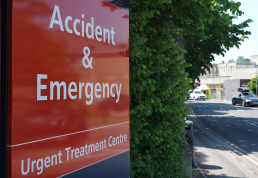
Private patient growth strategy for London NHS Trust
Outcomes
- £50m+ incremental private patient income growth per annum
- 5-year business plan and roadmap to capture opportunity
- Gap analysis and investment required to accelerate delivery
- Route-to-market market strategy to access new opportunities
Curzon Approach
- Quantified UK market size for priority health conditions based on population and disease prevalence
- Performed deep dive market sizing for all 32 London boroughs, applied income distribution and wealth data to identify ‘target’ demographics and postcodes
- Performed competitor analysis to determine market gap (London vs. non-London)
- Conducted service gap and capacity assessment to determine realistic expectations for growth
- Created a business case to capture growth and crafted a 5-year business plan including financial projections